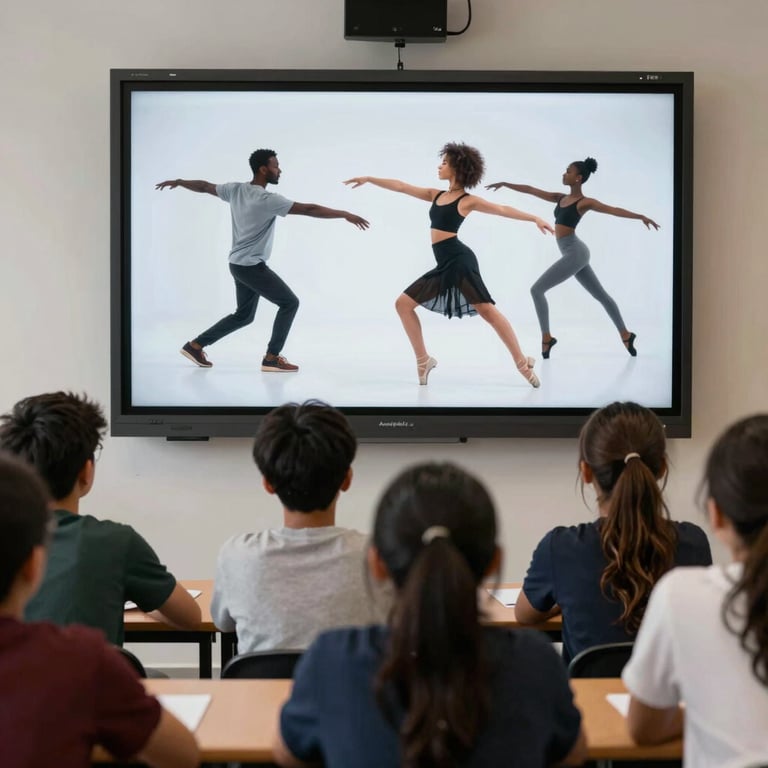
Cultivating critical cinematic dialogue
An active classroom approach bridging film history with physical viewer engagement, preparing fine arts students to challenge traditional modes of looking.
Active somatic screen dialogues.
In my courses, the screen is not a passive boundary. We examine how movement, immersive technology, and historical context collaborate to re-map space and body alike.
University instruction and leadership
Cinema Studies
Fine Arts Core
Immersive Theory
Three years of instructional leadership as a Teaching Assistant at the Mel Hoppenheim School of Cinema, guiding critical analysis and historical inquiry.
Two years as a tutorial leader and course instructor for the undergraduate Fine Arts interdisciplinary core curriculum, FFAR, fostering dialogue across diverse artistic departments.
Bridging technical 3D cinematic workflows with theoretical frameworks of somatic reclamation, preparing students for future-facing creative research.
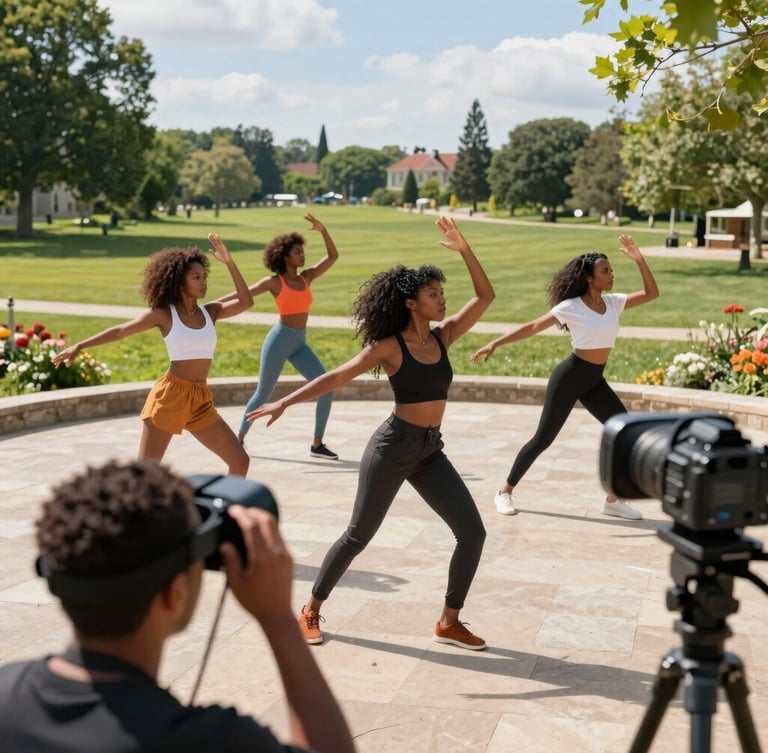
Bridging theory and physical space
Students engage directly with immersive media, analyzing how 3D space redefines representation. By linking historical cinema with contemporary somatic movement, we construct a tactile learning environment.
This pedagogical framework extends to my research assistantships, including the Black Speaker Series and the SSHRC-funded Community Centred Knowledges project in Montreal.